When it comes to achieving that perfect smile, many people turn to veneers as a solution for enhancing the appearance of their teeth. But a common question that arises is, “Are veneers permanent?” Understanding the longevity and commitment involved with veneers is crucial for anyone considering this cosmetic dental procedure.
In this blog, we’ll get into the details of veneers, exploring their durability, maintenance, and the factors that can influence their lifespan. Whether you’re looking to correct discoloration, chips, or gaps, knowing what to expect from veneers can help you make an informed decision about your dental health and aesthetics.
Understanding Veneers
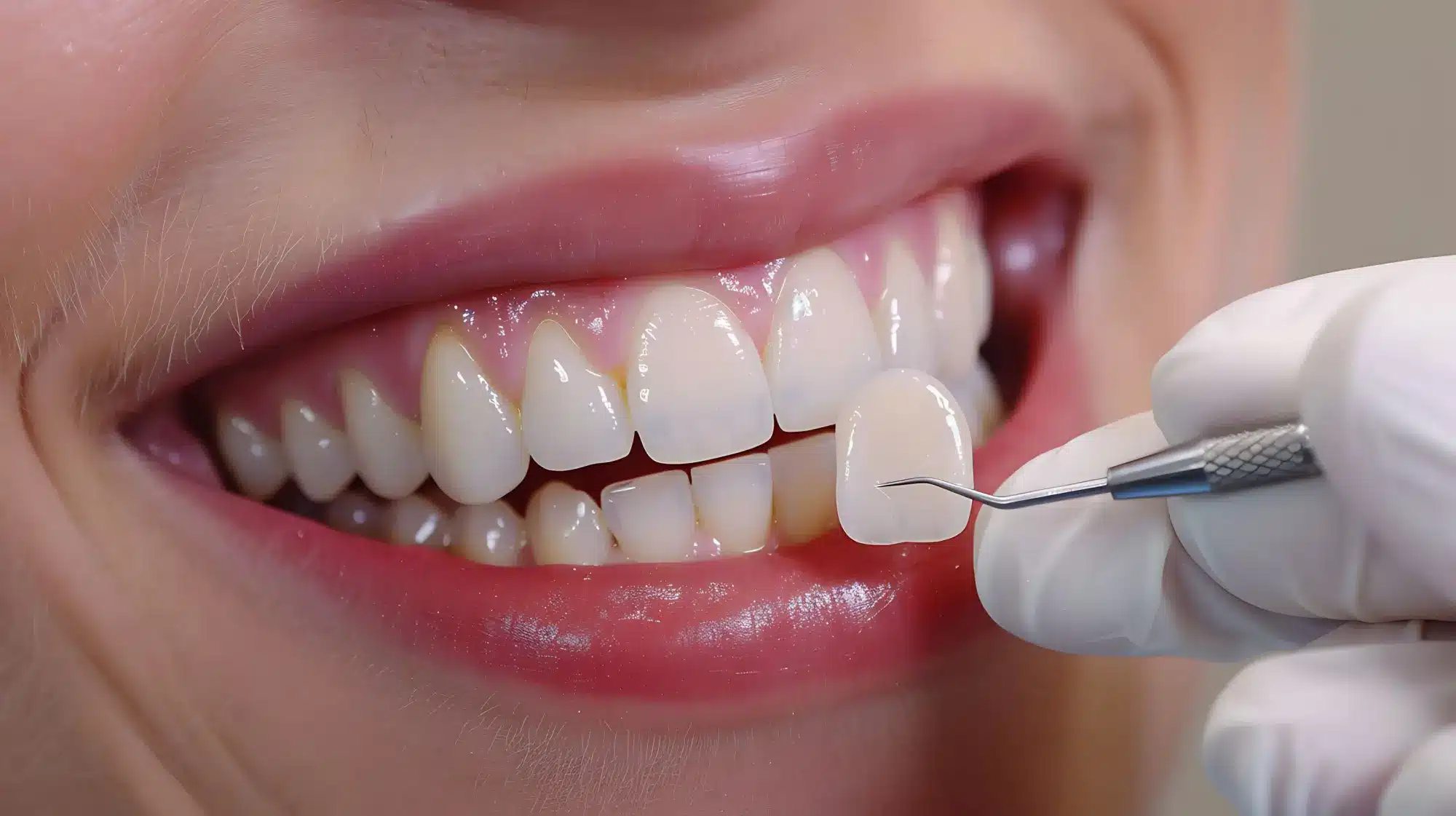
Veneers are thin, custom-made shells designed to cover the front surface of teeth, providing a more aesthetically pleasing appearance. They are typically made from porcelain or composite resin materials, each offering unique benefits.
Porcelain veneers are known for their durability and natural look, while composite veneers are more cost-effective and require less tooth enamel removal. Here are some key points to consider:
- Porcelain Veneers: Highly resistant to stains and mimic the light-reflecting properties of natural teeth.
- Composite Veneers: More affordable and can be applied in a single visit, but do not last as long as porcelain.
The Lifespan of Veneers
Veneers, while not permanent, are designed to be a long-lasting dental solution. On average, porcelain veneers last between 10 to 15 years, while composite veneers have a lifespan of between 5-7 years.
The longevity of veneers largely depends on factors such as oral hygiene, dietary habits, and regular dental check-ups. To maximize the lifespan of your veneers, it’s essential to:
- Maintain a rigorous oral hygiene routine, including brushing and flossing daily.
- Avoid biting on hard objects, such as ice or pens, which can damage veneers.
- Schedule regular visits to your dentist for professional cleanings and examinations.
Can Veneers Be Replaced?
Yes, veneers can be replaced once they wear out. One important thing to note about veneers is that, once your natural tooth enamel has been removed to accommodate them, it cannot be restored. This means that the veneer process is irreversible.
This also means that when veneers reach the end of their lifespan or become damaged, they must be replaced with new ones. Signs that your veneers may need to be replaced include:
- Visible wear and tear or chipping.
- Changes in fit or comfort.
- Loosening of your veneers.
- Discoloration or staining that cannot be polished away.
Maintaining Your Veneers
Proper care and maintenance are crucial for extending the life of your veneers and keeping your smile looking its best. In addition to regular brushing and flossing, consider these tips:
- Use ADA-accepted fluoride toothpaste to keep your veneers and natural teeth healthy and strong.
- Wear a mouthguard if you engage in contact sports or grind your teeth at night.
- Limit consumption of staining beverages like coffee, tea, and red wine.
By incorporating these practices into your daily routine, you can enjoy the benefits of your veneers for years to come.
Transform Your Smile with Bynum Aesthetic Dentistry in Simpsonville, SC
Ready to enhance your smile with veneers? At Bynum Aesthetic Dentistry, Dr. Matt Bynum and our dedicated team are committed to providing exceptional dental care in Simpsonville, SC. We understand that every smile is unique, and we’re here to guide you through the veneer process, ensuring you achieve the results you desire. Contact us today at (864) 297-5585 to schedule your consultation and take the first step towards a brighter, more confident smile.